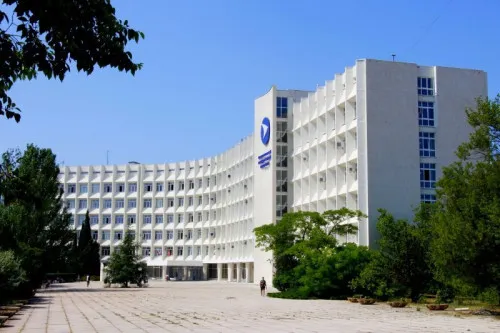
Sevastopol State University ( Russia)
List Of Content :-
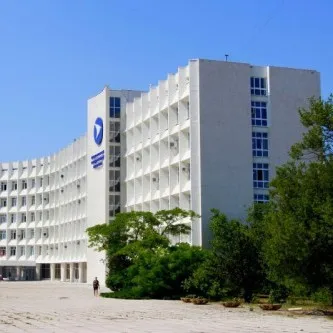
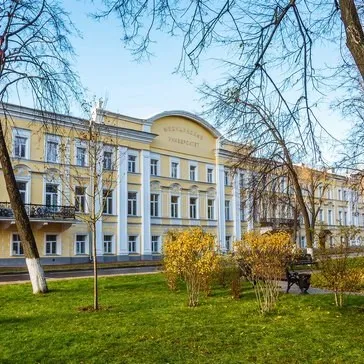
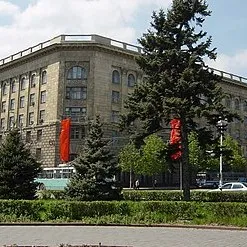
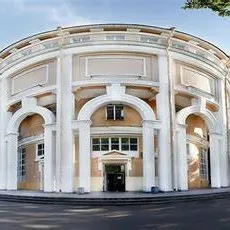
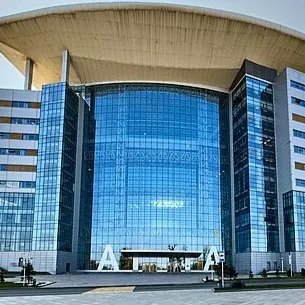
Sevastopol State University (SevSU) is a prestigious educational institution located in the historic city of Sevastopol in Crimea. The university was established in 2014 and has rapidly developed into a comprehensive institution offering quality education across multiple disciplines, including medicine. The university's medical programs are gaining recognition among international students seeking affordable and quality medical education in a unique geographical location.
Official Name: Sevastopol State University
Location: Sevastopol, Republic of Crimea, Russian Federation
Sevastopol is a legendary port city situated on the southwestern coast of the Crimean Peninsula, on the shores of the Black Sea. With a population of approximately 450,000, Sevastopol is known as a "Hero City" due to its crucial role in World War II. The city boasts a rich military and naval history dating back to 1783. Sevastopol offers a unique combination of historical significance, beautiful coastal landscapes, mild climate, and modern infrastructure. The city's location on the Black Sea provides stunning views, beaches, and a Mediterranean-like atmosphere that is rare in Russia.
Important Note: Sevastopol is located in Crimea, which has been subject to international political considerations since 2014. Students should verify their country's recognition status and any potential limitations regarding degrees obtained from institutions in this region, particularly concerning medical licensing in their home countries.
Why Consider Sevastopol State University for Medical Education
Recognition & Accreditation:
Russian Recognition:
- Fully accredited by the Russian Ministry of Science and Higher Education
- Licensed to provide medical education under Russian Federation standards
- Follows the Russian medical education curriculum and standards
International Considerations:
- Students should verify the recognition status of SevSU degrees in their home countries
- Due to the geopolitical situation of Crimea, international recognition may vary by country
- Prospective students, especially those from India and other countries, should confirm with their respective medical councils (NMC for India) regarding the current recognition status
- It is crucial to ensure that the degree will be recognized for practicing medicine in your intended country
Important Advisory: Before applying, international students must thoroughly research and confirm with their home country's medical council whether degrees from Sevastopol State University will be recognized for medical licensing purposes.
Why Students Consider SevSU:
1. Unique Geographical Location:
- Located on the stunning Black Sea coast
- Mediterranean-like climate (mild winters, warm summers)
- Beautiful beaches and coastal scenery
- Historic city with rich cultural heritage
- Popular tourist destination with excellent infrastructure
- Safe and peaceful environment
- Modern European-style city planning
2. Extremely Affordable Education:
- One of the most budget-friendly medical education options
- Significantly lower tuition fees compared to most Russian universities
- Very affordable cost of living in Sevastopol
- No capitation fees or donations
- Transparent fee structure
- Excellent value for money
- Total cost significantly lower than private medical colleges
3. Pleasant Climate:
- Subtropical climate (unlike most of Russia)
- Mild winters (average 2-7°C in winter)
- Warm, sunny summers (25-30°C)
- No extreme Siberian cold
- Over 2,300 hours of sunshine annually
- Ideal for students who prefer moderate weather
- Beautiful year-round outdoor environment
4. Modern Infrastructure:
- Newly developed university facilities
- Modern academic buildings
- Well-equipped laboratories
- Digital library and computer centers
- Sports facilities and student amenities
- Comfortable student hostels
- Access to clinical hospitals
5. English-Medium Medical Programs:
- MBBS program offered in English
- International faculty with English teaching experience
- Study materials and textbooks in English
- Examinations conducted in English
- No language barrier for medical education
- Russian language classes for daily communication
6. Growing International Student Community:
- Students from various countries including India, Middle East, Africa, CIS countries
- International student support services
- Cultural diversity on campus
- Student organizations and activities
- Support from senior international students
7. Coastal Lifestyle:
- Beach access and water activities
- Healthy seaside environment
- Rich cultural and historical sites
- Museums, theaters, and entertainment
- Tourist-friendly infrastructure
- Safe and clean city
- Recreational opportunities
Study MBBS at Sevastopol State University
MBBS Program Overview:
Degree Awarded: Doctor of Medicine (equivalent to MBBS)
Program Duration: 6 Years
- 5 years of theoretical and practical medical education
- 1 year of clinical internship/rotations
Medium of Instruction: English (dedicated English-medium track)
Academic Structure: Two semesters per academic year
Academic Calendar:
- Classes begin: September
- Winter break: January-February
- Summer break: July-August
Comprehensive Medical Curriculum:
The MBBS program at Sevastopol State University follows the standard Russian medical education model, covering all essential medical disciplines:
Internal Medicine (Therapy): Comprehensive training in all internal medicine subspecialties including:
- Cardiology: Heart diseases, ECG interpretation, hypertension, coronary artery disease, heart failure, arrhythmias
- Pulmonology: Respiratory diseases, asthma, COPD, pneumonia, tuberculosis, lung diseases
- Gastroenterology: Digestive system disorders, liver diseases, inflammatory bowel disease
- Nephrology: Kidney diseases, dialysis, urinary tract disorders
- Endocrinology: Diabetes, thyroid disorders, hormonal diseases
- Rheumatology: Arthritis, autoimmune diseases, connective tissue disorders
- Hematology: Blood disorders, anemia, leukemia, bleeding disorders
Students participate in daily ward rounds, examine patients, write case histories, present cases, and learn patient management under supervision. Training takes place in university-affiliated hospitals with access to diverse patient populations.
Surgery: Training in general surgery and surgical subspecialties:
- General Surgery: Abdominal surgery, hernias, appendicitis, trauma surgery
- Traumatology & Orthopedics: Fractures, joint disorders, bone diseases, orthopedic procedures
- Urology: Urinary system surgery, kidney stones, prostate diseases
- Thoracic Surgery: Chest and lung surgery
- Vascular Surgery: Blood vessel disorders and surgery
- Neurosurgery: Basic principles of brain and spine surgery
- Pediatric Surgery: Surgical conditions in children
Students observe surgeries, assist in operations, learn pre-operative and post-operative care, and practice surgical skills in simulation labs.
Obstetrics & Gynecology:
- Obstetrics: Pregnancy care, antenatal care, normal and complicated deliveries, high-risk pregnancies, neonatal care
- Gynecology: Female reproductive system diseases, menstrual disorders, infertility, contraception, gynecological cancers, gynecological surgery
Students rotate through maternity wards, labor rooms, and gynecology departments, observing and assisting in deliveries and procedures.
Pediatrics: Comprehensive child healthcare including:
- Child growth and development, developmental milestones
- Neonatal medicine and care of newborns
- Childhood nutrition and feeding practices
- Common childhood illnesses (respiratory, gastrointestinal, etc.)
- Childhood infectious diseases (measles, mumps, chickenpox, etc.)
- Vaccination and immunization schedules
- Pediatric emergency medicine
- Adolescent medicine
FINAL YEAR INTERNSHIP:
The final year consists of intensive clinical rotations where students work as junior doctors under supervision:
Rotations include:
- Internal Medicine wards
- Surgery departments
- Pediatrics units
- Obstetrics & Gynecology
- Emergency department
- Outpatient clinics
- Elective rotations in areas of interest
Students take on more responsibility, manage patients under supervision, perform procedures, make clinical decisions with guidance, and prepare for independent medical practice.
Final State Examinations: At the end of the program, students must pass comprehensive state examinations covering:
- Internal Medicine
- Surgery
- Obstetrics & Gynecology/Pediatrics
- Practical clinical skills examination
Successful completion awards the Doctor of Medicine degree.
Teaching Methodology:
Lecture-Based Learning: Traditional lectures delivered by experienced professors using multimedia presentations, covering theoretical foundations of medical sciences and clinical disciplines.
Practical & Laboratory Sessions: Hands-on training in anatomy dissection, histology microscopy, biochemistry experiments, microbiology cultures, pharmacology practicals, and clinical skills labs.
Clinical Bedside Teaching: Small group teaching at patient bedsides, learning directly from real cases, guided by senior clinicians and professors.
Simulation-Based Training: Use of medical simulators, mannequins, and virtual patients for practicing clinical skills, emergency scenarios, and procedures in a safe learning environment.
Problem-Based Learning: Case discussions, clinical case presentations, differential diagnosis exercises, and collaborative problem-solving.
Self-Directed Learning: Access to library resources, online medical databases, e-learning platforms, and research opportunities encouraging independent study.
Assessment Methods: Regular quizzes, mid-term examinations, end-of-semester exams, practical examinations, clinical assessments, OSCE (Objective Structured Clinical Examination), continuous evaluation, and final state exams.
Admission Requirements for MBBS:
For Indian Students:
- NEET qualification is MANDATORY (as per NMC regulations for practicing in India)
- NEET scorecard required during admission
Documents Required:
- Valid passport
- Academic transcripts (10th and 12th grade mark sheets)
- 12th grade certificate
No Entrance Exam: SevSU does not conduct additional entrance examinations for admission.
For More Guidance Contact Us:-
{Apply Now}