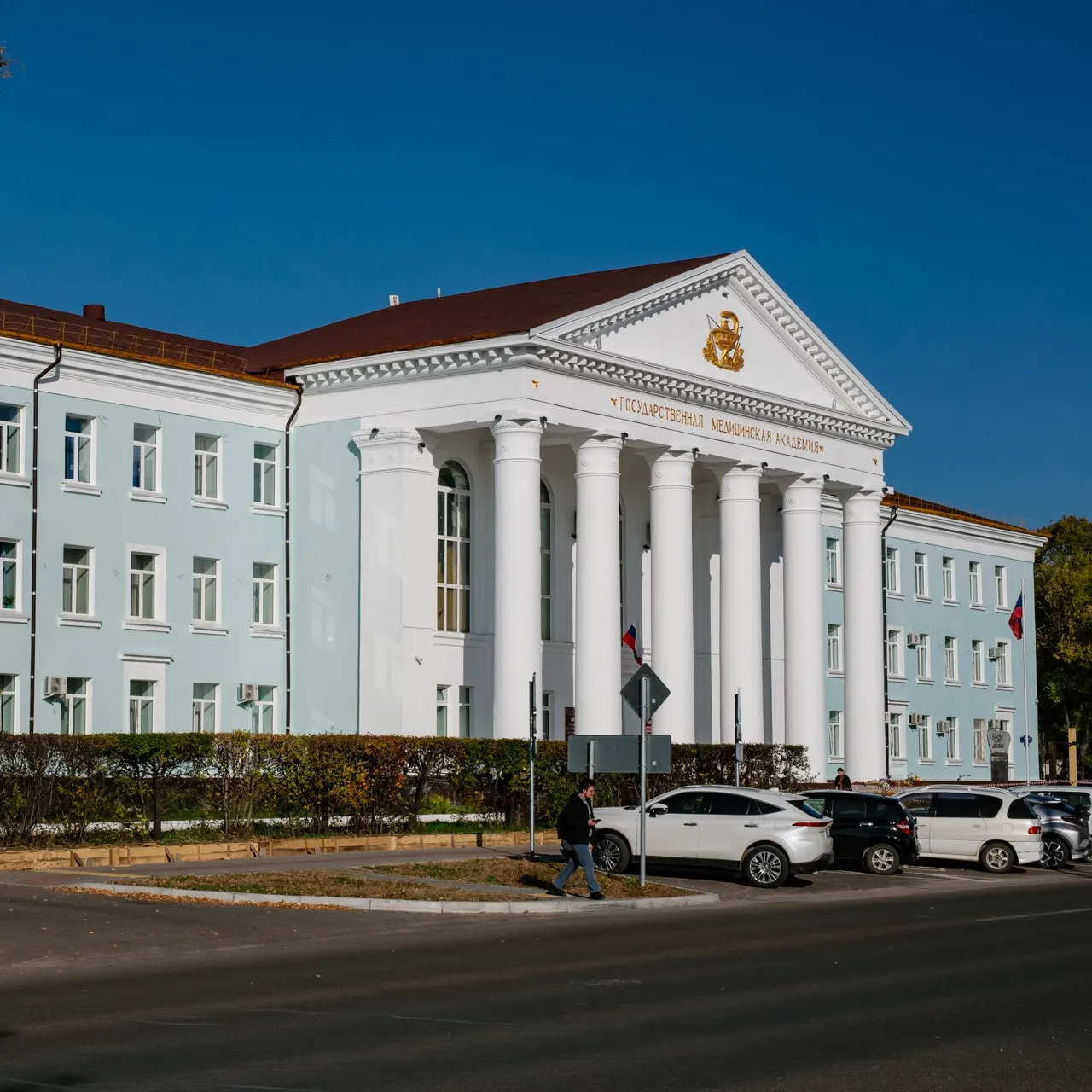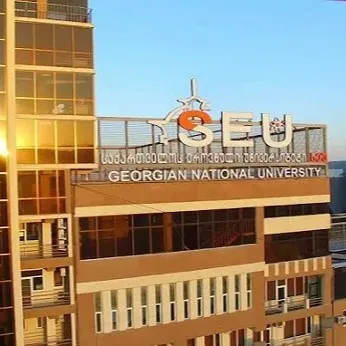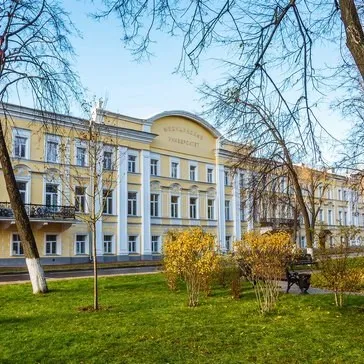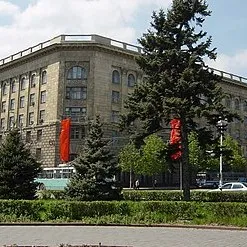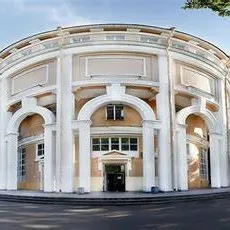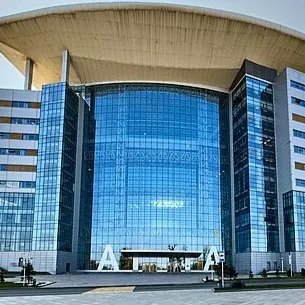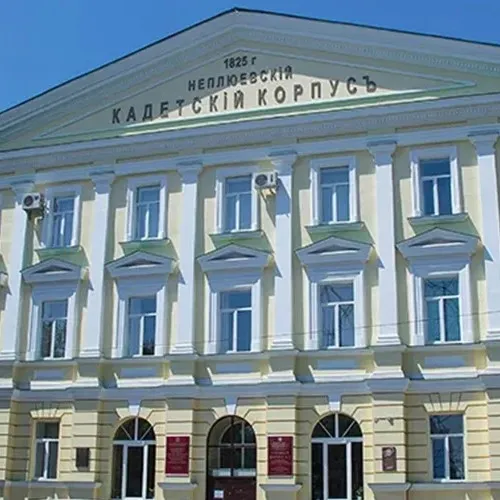
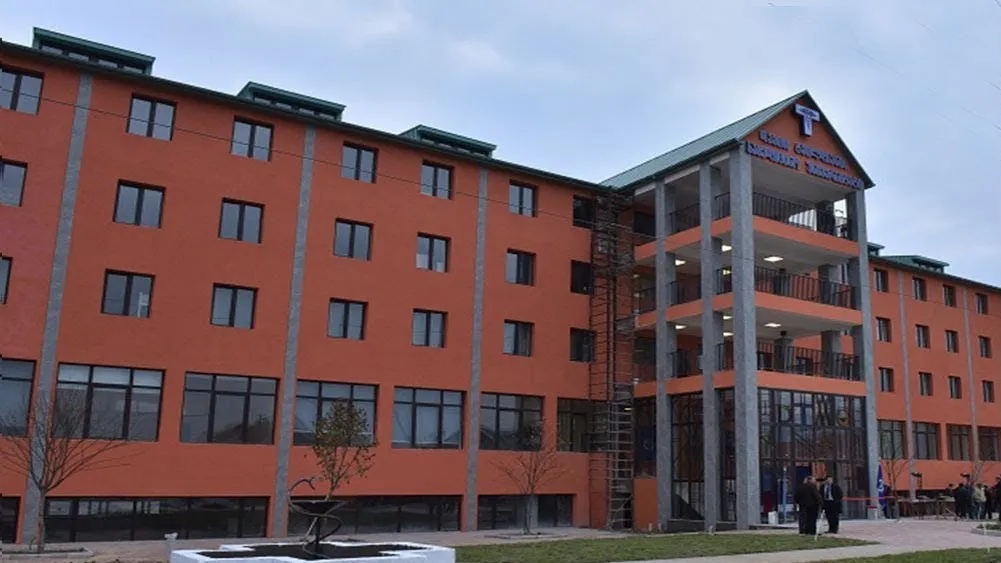
David Tvildiani Medical University ( Georgia)
List Of Content :-
David Tvildiani Medical University (DTMU), formerly known as University of Georgia, is one of the leading private medical universities in Georgia, established in 1992. Named after the prominent Georgian businessman and philanthropist David Tvildiani, the university has over 30 years of excellence in medical education and is particularly renowned among international students seeking quality medical training.
Official Name: David Tvildiani Medical University
Founded: 1989
Location: Tbilisi, Georgia
University Type: Private Medical University
Recognition: WHO listed, NMC approved, ECFMG certified, FAIMER listed
Student Population: Over 5,000 students including 2,500+ international students from 60+ countries
The university is situated in Tbilisi, Georgia's beautiful capital city, offering students a perfect blend of quality education, cultural richness, safety, and affordability. DTMU has established itself as a premier institution for medical education with modern facilities, experienced faculty, and a strong commitment to international educational standards.
Why Choose David Tvildiani Medical University
1. Strong International Recognition & Accreditation
- WHO Listed: Recognized by World Health Organization in the World Directory of Medical Schools
- NMC Approved: Indian students can practice in India after clearing FMGE/NExT examination
- ECFMG Certified: Pathway to medical practice in USA after USMLE
- FAIMER Listed: Foundation for Advancement of International Medical Education and Research recognition
- European Standards: Aligned with Bologna Process and European Higher Education Area standards
2. Established Legacy & Experience
- Over 30+ years of experience in medical education (one of Georgia's oldest medical universities)
- Pioneer in providing English-medium medical education in Georgia
- Trained thousands of doctors now practicing worldwide
- Strong reputation among Georgian medical institutions
- Consistent track record of producing competent medical professionals
3. Large International Student Community
- Over 2,500 international students from 60+ countries
- Significant Indian student population (800+ Indian students)
- Students from USA, UK, Israel, Nigeria, Pakistan, Bangladesh, Nepal, Middle East, Africa
- Vibrant multicultural campus environment
- Strong Indian Students Association providing peer support and cultural comfort
4. Modern Infrastructure & Facilities
- State-of-the-art campus with modern academic buildings
- Well-equipped laboratories (anatomy, physiology, biochemistry, microbiology, pharmacology, pathology)
- Advanced simulation center with medical mannequins and virtual patients
- Comprehensive digital library with international medical journals and databases
- University clinics and 12+ affiliated teaching hospitals for clinical training
MBBS at David Tvildiani Medical University
Program Overview
- Degree Awarded: MD (Doctor of Medicine) - Equivalent to MBBS internationally
- Duration: 6 Years (5 years academic study + 1 year clinical internship)
- Medium of Instruction: English (complete program taught in English)
- Academic Structure: Two semesters per year (September-January, February-June)
- Credits: 360 ECTS (European Credit Transfer System) credits
Why Do MBBS at David Tvildiani Medical University
1. English-Medium Education with No Language Barrier
- Complete MBBS program taught entirely in English by international faculty
- No requirement to learn Georgian for medical studies (though basic Georgian helpful for daily life)
- English textbooks, study materials, lectures, and examinations
- International teaching standards and methodologies
- Experienced faculty trained specifically for English-medium instruction
2. European Medical Education Standards
- Curriculum aligned with European Medical Education guidelines and Bologna Process
- Modern teaching methodologies including Problem-Based Learning (PBL), Case-Based Learning, and simulation training
- Focus on evidence-based medicine and clinical reasoning
- Research opportunities and scientific publication support
- Credit transfer options within European universities
3. High FMGE/NExT Success Rates
- Dedicated coaching and preparation for Indian licensing examinations
- Regular mock tests and practice sessions for FMGE/NExT
- Study materials specifically designed for screening test preparation
- Experienced faculty providing guidance for licensing exams
- Many DTMU graduates successfully cleared FMGE and practicing in India
4. Safe, Beautiful & Student-Friendly Location
- Tbilisi ranked among Europe's safest cities with very low crime rates
- Beautiful capital city with rich history, stunning architecture, and vibrant culture
- Pleasant climate (mild winters compared to Russia, warm summers)
- Modern infrastructure with excellent public transportation
- Affordable and comfortable lifestyle with entertainment and recreational options
5. Strong Post-Graduation Opportunities
- Graduates eligible to practice medicine in 180+ countries after licensing exams
- Can appear for FMGE/NExT (India), USMLE (USA), PLAB (UK), AMC (Australia), MCCQE (Canada)
- Option to pursue postgraduate specialization (MD/MS) in Georgia, Europe, USA, or home country
- Many DTMU alumni in prestigious residency programs worldwide
- Research opportunities in Georgian and international medical institutions
Teaching Methodology
1. Interactive Lecture-Based Learning
- Traditional lectures delivered by experienced professors using multimedia presentations
- Audio-visual aids, animations, and clinical videos enhance understanding
- PowerPoint presentations with comprehensive content
- Guest lectures by international experts and visiting professors
- Small class sizes (20-25 students) ensuring personalized attention
2. Practical & Laboratory-Based Training
- Extensive hands-on training in well-equipped laboratories
- Cadaver dissection sessions in anatomy (students work in small groups)
- Microscopy sessions for histology and pathology
- Biochemistry experiments and clinical chemistry practical's
- Microbiology culture techniques and sensitivity testing
3. Clinical Bedside Teaching
- Small group clinical teaching at patient bedsides in affiliated hospitals
- Daily ward rounds with senior clinicians and professors
- Direct patient interaction under expert supervision
- Learning from real clinical cases and diverse patient populations
- Case presentations and clinical discussions developing diagnostic skills
4. Simulation-Based Medical Education
- Modern simulation center with high-fidelity medical mannequins
- Practice of clinical procedures in safe, controlled environment
- Emergency scenario simulations (cardiac arrest, trauma, obstetric emergencies)
- Surgical skills training on simulators before real patient exposure
- Virtual patients for clinical decision-making practice
5. Problem-Based & Case-Based Learning
- PBL sessions where students solve clinical problems collaboratively
- Real patient case discussions and differential diagnosis exercises
- Critical thinking and clinical reasoning development
- Self-directed learning encouraged through guided case studies
- Integration of basic sciences with clinical medicine through case-based approach
Student Life at David Tvildiani Medical University
1. Accommodation & Housing
University Hostels:
- Modern, comfortable dormitories located near campus
- 2-3 students per room with beds, study tables, wardrobes, and storage
- Attached or shared bathrooms with hot water 24/7
- Central heating in winter, air conditioning in summer
- Common kitchens on each floor for self-cooking
- Laundry facilities, Wi-Fi internet, and common recreation rooms
2. Food & Dining
University Cafeteria:
- Multiple canteens on campus serving variety of cuisines
- Georgian, European, and international food options
- Vegetarian and vegan meals available
Indian Food Availability:
- 40+ Indian restaurants in Tbilisi serving authentic Indian cuisine
- Hostels often arrange Indian/vegetarian meal plans
- Indian grocery stores for spices, rice, lentils, and cooking ingredients
- Students frequently cook Indian food in hostel kitchens
3. Campus Life & Activities
Student Organizations:
- Active Indian Students Association organizing cultural events
- International student clubs and societies
- Sports clubs (football, basketball, volleyball, cricket)
- Cultural clubs celebrating diverse traditions
- Medical research societies and academic clubs
Events & Celebrations:
- Indian festivals celebrated (Diwali, Holi, Navratri, Independence Day)
- International student day celebrations
- Cultural exchange programs and talent shows
- Sports tournaments and competitions
- Annual university festivals and gatherings
4. Safety & Security
- 24/7 campus security with guards and CCTV monitoring
- Safe city environment - Tbilisi among Europe's safest capitals
- Hostel security ensuring student safety
- Emergency helpline and support services
- Low crime rates, especially in university areas
- Female students particularly feel safe and comfortable
5. Support Services
International Students Department:
- Dedicated office assisting foreign students
- Airport pickup service for new students
- Help with residence permit registration and visa extensions
- Academic counseling and guidance
- 24/7 emergency helpline for student support
- Medical insurance arrangements
Additional Support:
- Student counseling services for academic and personal issues
- Career guidance and FMGE/NExT preparation support
- Library assistance and research support
- IT help desk for technical issues
- Health services and medical consultation on campus
Eligibility Criteria
1. Academic Qualifications
- Minimum Education: Completed 12th grade (higher secondary education) or equivalent
- Required Subjects: Physics, Chemistry, Biology (PCB) as mandatory subjects
- Minimum Marks: 50% aggregate in PCB subjects (for general category)
- For Reserved Categories: 40% aggregate in PCB (as per NMC guidelines for SC/ST/OBC students)
- Age Requirement: Minimum 17 years by December 31st of admission year; no maximum age limit
2. NEET Requirement (For Indian Students)
- NEET Qualification MANDATORY: As per National Medical Commission (NMC) regulations, Indian students must qualify NEET examination
- NEET scorecard required during admission process
- NEET qualifying percentile as per NMC norms (50th percentile for general, 40th for reserved categories)
- NEET requirement essential for practicing medicine in India after graduation
- Students not planning to practice in India may not require NEET (verify current regulations)
3. Language Proficiency
- No IELTS/TOEFL Required: English language proficiency test scores not mandatory
- Medium of instruction in 12th grade should preferably be English
- Basic English communication skills necessary for following lectures
- University may conduct simple English assessment during admission (informal)
4. Health Requirements
- Physically and mentally fit to pursue medical education
- No serious contagious diseases or health conditions preventing medical studies
- Medical fitness certificate from registered medical practitioner
- HIV negative certificate (as per international medical education norms)
- Recent health check-up reports
5. No Entrance Exam
- David Tvildiani Medical University does not conduct additional entrance examinations
- Admission based on 12th grade marks and NEET score (for Indian students)
- No interviews, aptitude tests, or additional assessments
- Direct admission through simple application process
Admission Documents
Academic Documents
- 10th Grade Certificate & Mark Sheet: Attested copies showing completion of secondary education
- 12th Grade Certificate & Mark Sheet: Attested copies with minimum 50% in PCB subjects
- NEET Scorecard: For Indian students (mandatory as per NMC regulations)
- Migration/Transfer Certificate: Original migration certificate from previous educational institution
- Equivalence Certificate: If applicable, for students from boards outside India (CBSE/State equivalence)
Note: Document requirements may vary slightly by year and student nationality. Contact us for the Guidance
{Apply Now}
.