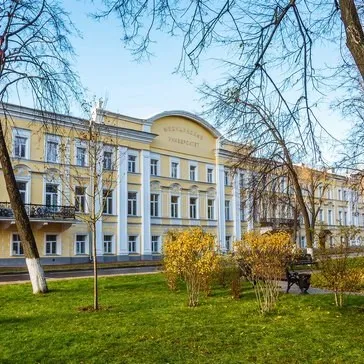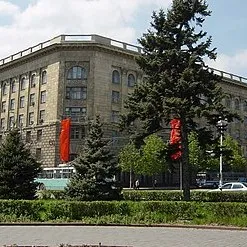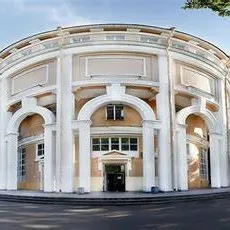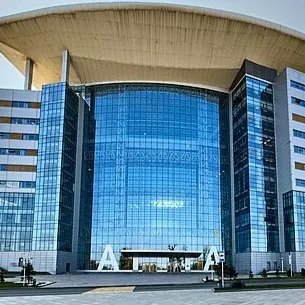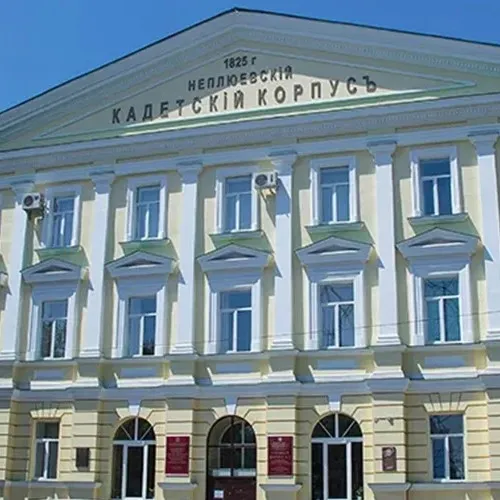
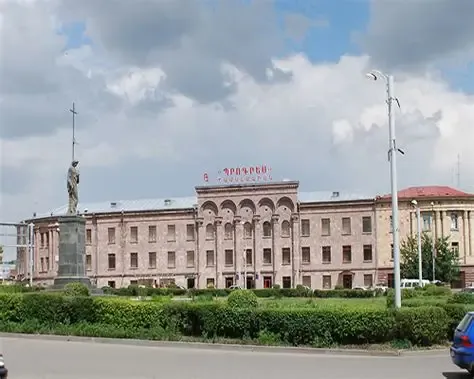
Progress Medical University ( Armenia)
List Of Content :-
Name: Progress Medical University (also referred to simply as Progress University)
Location: Gyumri, Shirak Province, Armenia
Founded: 1990 (as part of the broader Progress University educational institution)
Type: Private medical university
Accreditation & Licensing: Licensed and accredited by the Government of the Republic of Armenia and recognized by medical councils such as NMC (India), WHO, WDOMS, ECFMG in available listings.
Progress Medical University is part of Progress University’s medical faculty structure in Gyumri, functioning under Armenia’s higher-education system and offering structured professional degrees.
Why Choose Progress Medical University
The Global Advantage of Studying Medicine
Pursuing MBBS at Progress Medical University has become an increasingly popular and viable option for students worldwide, particularly for those seeking quality medical education at affordable costs. Studying medicine in Progress Medical University offers numerous advantages that go beyond just obtaining a medical degree – it provides global exposure, international standards of education, cultural diversity, and often significant cost savings compared to domestic private medical colleges.
1. Globally Recognized Degrees: Medical degrees from Progress Medical University, recognized by major medical councils and organizations worldwide including WHO (World Health Organization), NMC (National Medical Commission of India), ECFMG (Educational Commission for Foreign Medical Graduates - USA), GMC (General Medical Council - UK), and medical councils of 180+ countries. This global recognition enables graduates to practice medicine internationally after clearing the respective licensing examinations of their chosen country.
2. Advanced Infrastructure & Modern Facilities: Progress Medical University invest heavily in infrastructure, offering state-of-the-art anatomy dissection halls, well-equipped laboratories (histology, biochemistry, microbiology, pharmacology, pathology), simulation centers with high-fidelity medical mannequins, digital libraries with access to international medical journals and databases, modern teaching hospitals with advanced diagnostic equipment, and comfortable student hostels with all amenities.
3. Comprehensive Clinical Training: Progress Medical University emphasizes practical clinical skills from early years. Students receive hands-on training through cadaver dissection sessions, laboratory practical\'s, patient interaction from 3rd year onwards under supervision, rotations in multi-specialty teaching hospitals, exposure to diverse medical cases and patient populations, surgical observation in operation theaters, emergency medicine and ICU experience, and internship programs preparing them for independent practice.
4. International Exposure & Cultural Diversity: Studying Progress Medical University provides invaluable international exposure. Students interact with peers from 50-70+ countries, experience different cultures and perspectives, develop global networking opportunities, learn new languages (optional but beneficial), gain cross-cultural communication skills essential for modern medical practice, and build lifelong international friendships.
5. High Success Rates in Licensing Examinations: Graduates from Progress Medical University consistently achieve good pass rates in licensing examinations. Many universities provide dedicated coaching for FMGE/NExT (India), USMLE (USA), PLAB (UK), and other licensing exams. Regular mock tests, practice sessions, study materials specifically designed for screening tests, and guidance from experienced faculty help students prepare effectively.
6. Post-Graduation Career Opportunities: Graduates can return to their home country and practice after clearing licensing exams, pursue postgraduate specialization (MD/MS) in various countries, appear for licensing examinations of any country (FMGE, USMLE, PLAB, AMC, MCCQE), work in international healthcare organizations and NGOs, engage in medical research at global institutions, and build truly international medical careers.
Academic Structure:
MBBS/MD Program Duration:
- Typically 5-6 years (5 years of academic study + optional 1-year internship)
- Two semesters per academic year (Fall and Spring)
- Academic year usually begins in September/October
- Summer and winter breaks for rest and preparation
Teaching Methodologies:
1. Lecture-Based Learning: Traditional didactic lectures by experienced professors using multimedia presentations, PowerPoint slides, animations, clinical videos, and interactive discussions.
2. Practical Laboratory Training: Hands-on sessions in well-equipped laboratories for anatomy (cadaver dissection in small groups), histology (microscopy and slide examination), biochemistry (experiments and clinical chemistry), microbiology (culture techniques and sensitivity testing), and pharmacology (drug preparation and analysis).
3. Clinical Bedside Teaching: Small group teaching (10-15 students) at patient bedsides in hospital wards, learning from real clinical cases under faculty supervision, with emphasis on history taking, physical examination, differential diagnosis, and treatment planning.
4. Simulation-Based Training: Modern simulation centers with high-fidelity medical mannequins for practicing clinical procedures, emergency scenario simulations (cardiac arrest, trauma, obstetric emergencies), surgical skills training, and virtual patient encounters in safe, controlled environments.
5. Problem-Based and Case-Based Learning: Collaborative problem-solving sessions where students analyze clinical cases, integrate basic sciences with clinical medicine, develop critical thinking and clinical reasoning, and learn through peer discussion and self-directed study.
Student Life
Accommodation Options:
- 2-4 students per room with beds, study tables, wardrobes
- Attached or shared bathrooms with hot water
- Central heating (winter) and cooling (summer) as needed
- Common kitchens for self-cooking
- Laundry facilities and Wi-Fi internet
- Common rooms for recreation and socializing
- 24/7 security and CCTV surveillance
Food & Dining:
University Cafeterias: Multiple canteens offering variety of cuisines including local dishes, international options, and vegetarian meals at affordable prices.
Self-Cooking: Many students cook their own meals in hostel kitchens, which is the most economical option. International grocery stores and local markets provide ingredients and spices.
Campus Life & Activities:
Student Organizations:
- International Student Associations
- Country-specific student unions (Indian, Russian, Nigerian, etc.)
- Medical research societies and academic clubs
- Sports clubs and teams
- Cultural organizations
- Volunteer and community service groups
Events & Celebrations:
- Cultural festivals from various countries (Diwali, Holi, Christmas, etc.)
- International student days and cultural exchange programs
- Medical conferences and seminars
- Sports tournaments and competitions
- Annual university festivals and talent shows
- Social gatherings and networking events
Sports & Recreation: Universities typically offer sports facilities including gyms, swimming pools, basketball/volleyball courts, football fields, and indoor game rooms.
Safety & Security:
Campus Safety:
- 24/7 security guards and CCTV surveillance
- Controlled access to buildings and hostels
- Emergency call boxes and helplines
- Safe campus environments
City Safety: International university cities are generally selected for their safety, low crime rates, political stability, and welcoming attitude toward foreign students.
Student Support Services:
International Students Office: Dedicated department providing:
- Student counseling for academic and personal issues
- Career guidance and licensing exam preparation support
- Health services and medical clinics on campus
- Banking and financial assistance
- Cultural integration programs
Eligibility Criteria
Academic Qualifications:
- Completed 12th grade (higher secondary education) with Science stream
- Physics, Chemistry, Biology (PCB) as mandatory subjects
- Minimum 50% aggregate in PCB (general category)
- Minimum 40% aggregate in PCB (reserved categories - SC/ST/OBC for Indian students)
- Age minimum 17 years by December 31st of admission year
NEET qualification is MANDATORY for Indian students as per National Medical Commission regulations if they intend to practice in India after graduation. NEET scorecard required during admission.
Post-Graduation Pathways
Licensing Examinations:
- FMGE (Foreign Medical Graduate Examination) or NExT (National Exit Test)
- Conducted by National Board of Examinations
- Must pass to practice medicine in India
- Universities often provide coaching and preparation support
Career Options:
- Clinical Practice
- Further Specialization
- Academic & Research
{Apply Now}